


 |
|---|
 |
 |
 |
 |
 |
 |
Healing Begins Here: Children in the Nanjing Safety Zone
During the Nanjing Massacre, the Safety Zone provided limited but vital protection for civilians, especially children. Surrounded by violence and loss, these young lives found brief moments of safety thanks to the efforts of missionaries, hospital workers, and volunteers.This section honors the quiet acts of compassion that helped children endure unthinkable loss, reminding us that even in war, healing can begin with a single gesture of humanity.
Iva Hynds
There was such a group of international righteous personages who interpreted the brilliance of human nature with their responsibility, perseverance and struggle when Nanjing was in the grip of darkness in 1937. They came from all walks of life from different countries. Faced with the Japanese invaders armed with firearm and bayonets, they came forward and protected countless Nanjing people at great risk to themselves.
Iva Hynds was a 67-year-old American nurse who cared for orphans and patients at Drum Tower Hospital in Nanjing during the Japanese occupation. Alongside a small team of Chinese helpers and other American medical staff, she worked tirelessly to aid nearly 200 civilians despite the chaos and danger of the invasion. Her efforts are documented in 100 Days in Nanjing Refugee Area.

Iva was looking after orphans at Drum Tower Hospital
Brave


Justice After Atrocity: Holding Memory to Account
Justice for the Nanjing Massacre has been long and incomplete, but it lives on in the voices of survivors like Xia Shuqin. Her fight for recognition and legal accountability—culminating in her victory in a defamation lawsuit against Japanese denialists in 2009—represents a broader struggle to confront historical injustice. Though the Tokyo Trial (1946–1948) punished some Japanese leaders for crimes against peace, many atrocities, including sexual slavery and the mass targeting of civilians, were never fully prosecuted. Survivors, like Xia, stepped into the void left by international law to demand truth. Justice here is not just a legal outcome—it is testimony, remembrance, and the insistence that wartime suffering not be erased from collective memory.


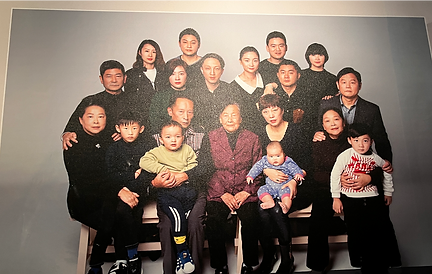
Xia Shuqin, one of the Nanjing Massacre survivors, is now 96 years old. Xia lost seven of nine family members at the age of 8. In the morning of December 13th, 1937, Japanese troops entered her house and killed her parents, grandparents and two sisters. Xia was stabbed three times and passed out. Living besides their families' bodies with hunger, fear and desperation for about two weeks. Xia and her 4-year-old sister eventually were found by a neighbor.

